

Being a solo founder is a unique kind of chaos. You are the CEO, the product manager, the head of engineering, customer support, and marketing. In this environment, time is your most scarce resource, and cash flow is your lifeline.
Most product advice assumes you have a team to run focus groups, a budget for enterprise tools like Productboard or Canny, and the bandwidth to manually aggregate data. You don't.
But you do have something those teams often lack: agility.
You can validate an entire business model in a week if you stop guessing and start building a system that listens. Here is how to replace a $300+/month tech stack with a single, automated feedback loop using MonkFeed's free tier, turning "building in public" into your fastest path to revenue.
The Solo Founder's Trap: Building in a Vacuum
The biggest risk for a solo founder isn't running out of money; it's building something nobody wants.
Without a team to challenge your assumptions, it's easy to fall in love with your own ideas. You spend months coding a "perfect" feature, only to launch and realize the market wanted something completely different.
"The goal isn't to build the perfect product. It's to find the perfect problem to solve."
Traditional market research is too slow and expensive for you. You can't afford:
- $299/month for a feedback board with 10,000 views.
- $500 for a user testing platform.
- 10 hours/week of manual spreadsheet tracking.
You need a "Set It and Forget It" system that works while you sleep.

The Fix: One Tool, Fully Automated
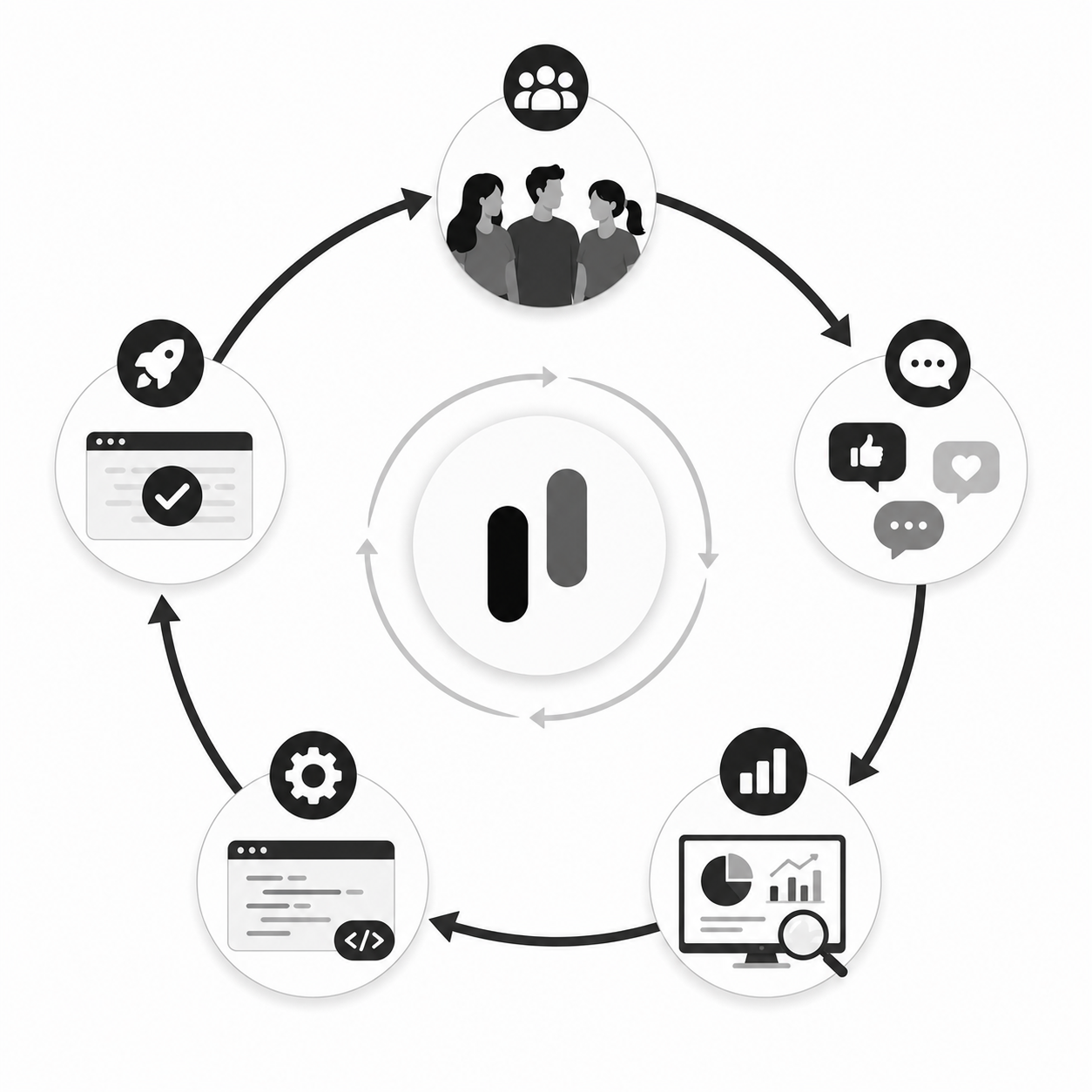
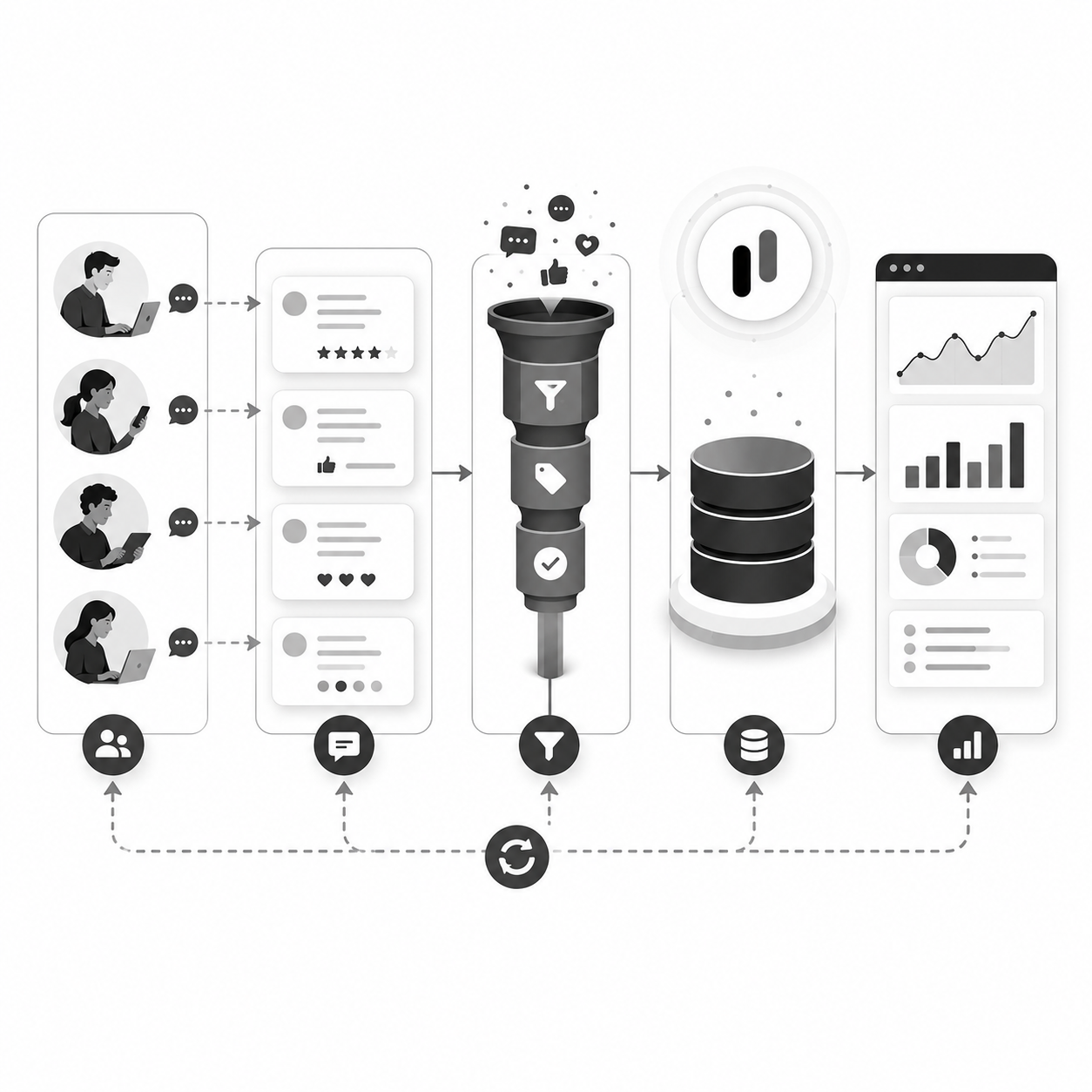
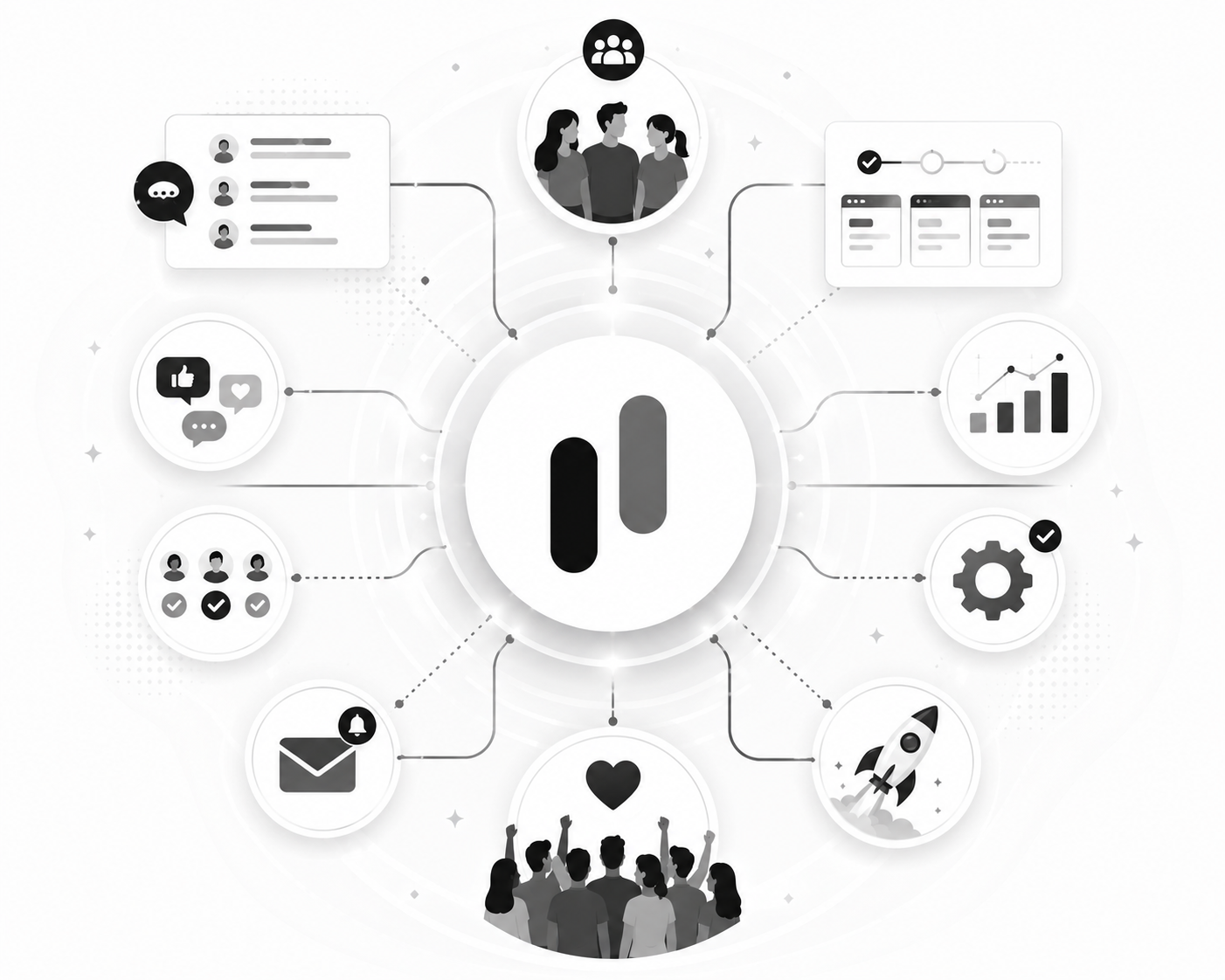
That system doesn't have to be complicated. It just has to run in a loop, on its own: capture feedback, let users prioritize it themselves, decide what to build, ship it, and notify everyone who asked. Do that once, automate it, and it keeps running whether you're coding, sleeping, or answering support tickets.
That's exactly the loop MonkFeed replaces a whole stack of paid tools with — for free.
The Stack-Swapper: Replacing $300/mo with One Tool
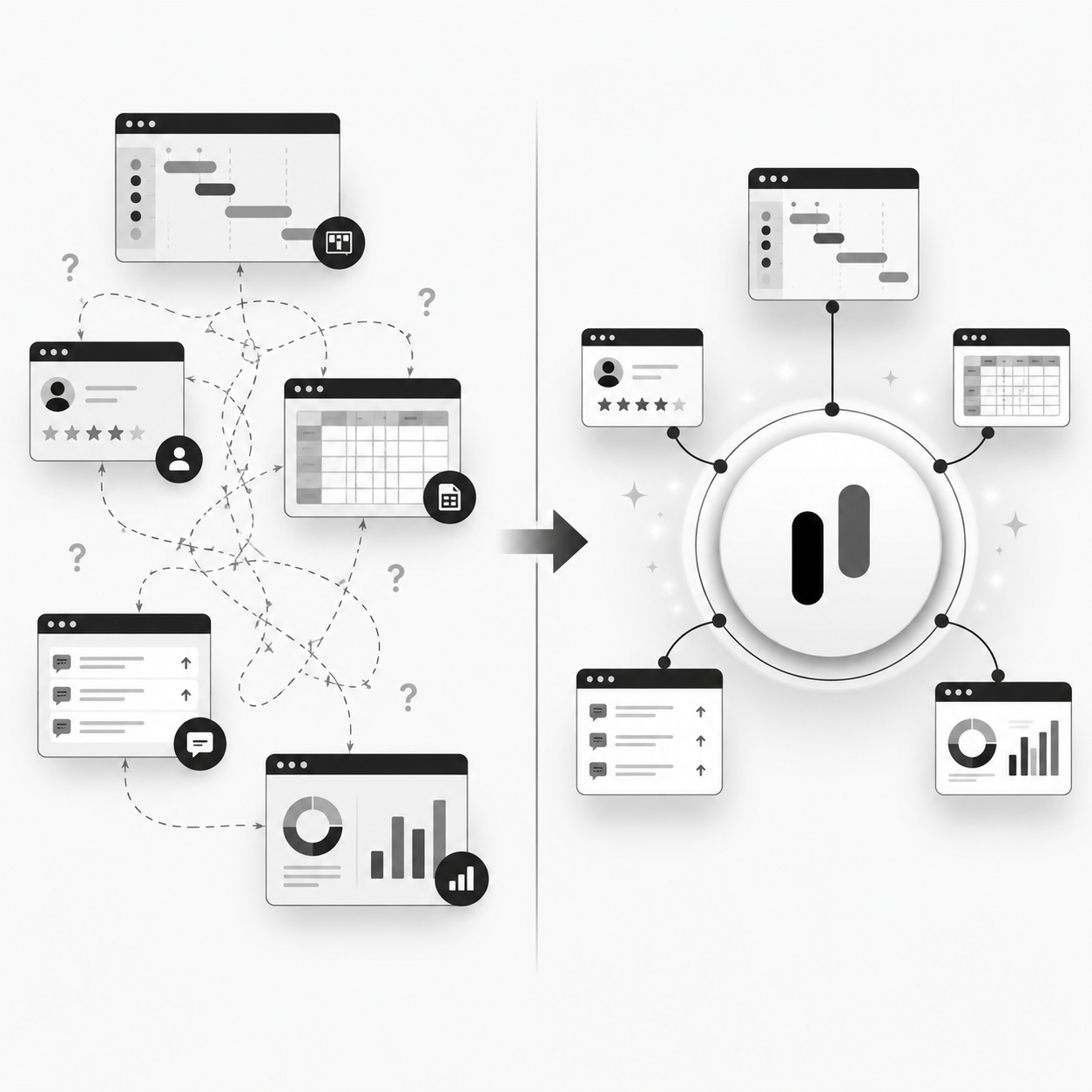
Let's break down the typical "enterprise" stack a solo founder thinks they need versus the lean, automated reality.
| Category | Enterprise "Standard" | Cost (Monthly) | The Solo Founder Alternative | |---|---|---|---| | Feedback Collection | Canny, Savio | $49 - $299 | MonkFeed (Free Tier) | | Roadmap Management | Aha!, Productboard | $50+ | MonkFeed Public Board | | User Testing | UserTesting, Lookback | $150+ | Embedded Feedback Widget | | Data Aggregation | Excel/Notion (Manual) | $0 (Time Cost) | Auto-Tagging & Voting | | Total Cost | | ~$300+ | $0 |
The Difference: The enterprise stack requires you to do the work of connecting dots. MonkFeed automates the collection, prioritization, and visualization so you can focus on shipping.
Step 1: Embed the "Always-On" Listening Post
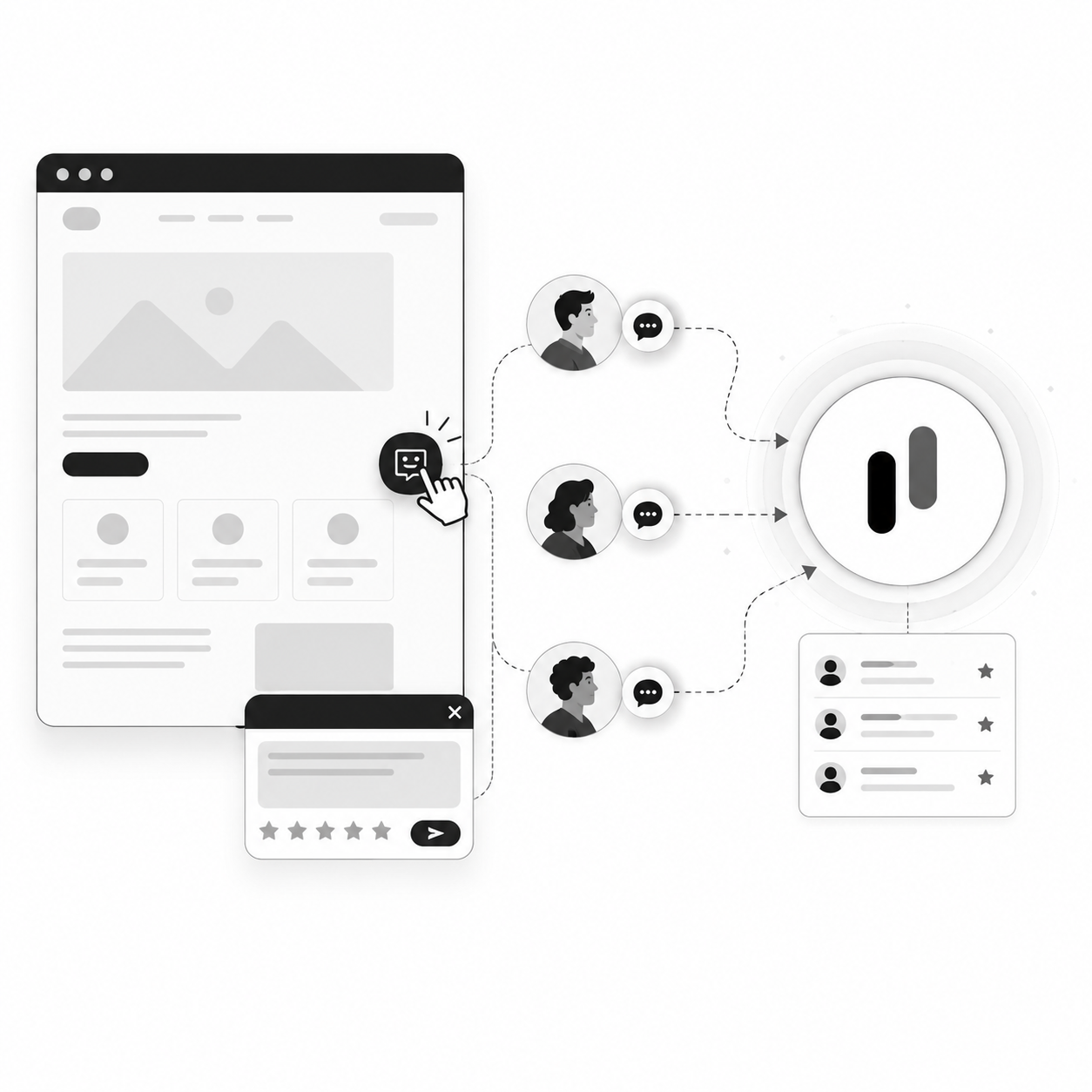
Stop sending cold email surveys. They have low response rates and high friction. Instead, meet your users where they are.
How to do it:
- Sign up for MonkFeed (Free tier includes up to 1,000 monthly visitors and unlimited feedback items).
- Install the Widget: Copy the 3-line JavaScript snippet into your site's
<head>. It takes 30 seconds. - Customize the Call-to-Action: Change the button text from "Feedback" to something specific like "What feature are you missing?" or "Help us build the next update."
Why this works for solo founders: The widget is invisible until a user clicks it. It captures feedback in context while they are actively using your product. This yields higher-quality insights than a generic NPS survey.
Pro Tip: Since you are alone, you don't have time to moderate spam. MonkFeed's free tier includes basic spam filtering, ensuring you only see real user voices.
Step 2: Automate Prioritization (The "Vote-Weighted" Roadmap)
As a solo founder, you cannot build everything. You need to know exactly what to build next without holding a committee meeting.
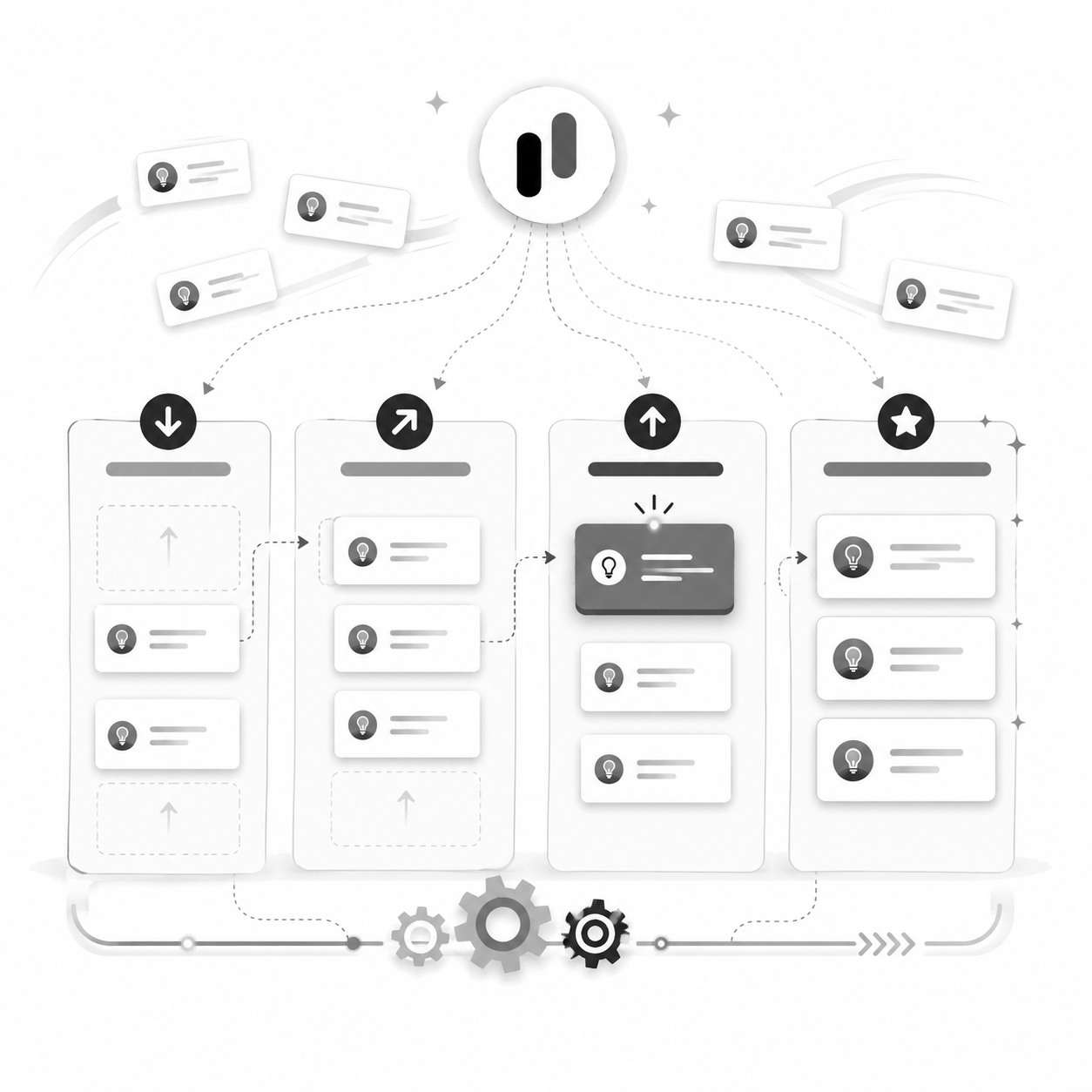
In MonkFeed, users can upvote ideas and comment on them. This creates a natural prioritization engine.
The "Solo Founder" Prioritization Formula:
Instead of guessing, use this simple logic to decide your next sprint:
- High Votes + High Comments: Critical. Users are begging for this. Build it immediately.
- High Votes + Low Comments: The Silent Need. This is a feature everyone wants but hasn't articulated well. Validate quickly with a tweet or post.
- Low Votes + High Comments: The Vocal Minority. Be careful. A few loud users might be distracting you from the majority. Use MonkFeed's comment section to ask: "Does anyone else feel this way?"
- Low Votes + Low Comments: Ignore. (For now.)
The Automation Win
You don't need to manually sort a spreadsheet. MonkFeed's dashboard automatically sorts your backlog by vote count. Your roadmap updates itself in real-time.
Step 3: "Build in Public" to Validate Faster
One of the biggest advantages of being a solo founder is the ability to build in public. This isn't just a marketing tactic; it's a validation mechanism.
How to use MonkFeed for Public Validation:
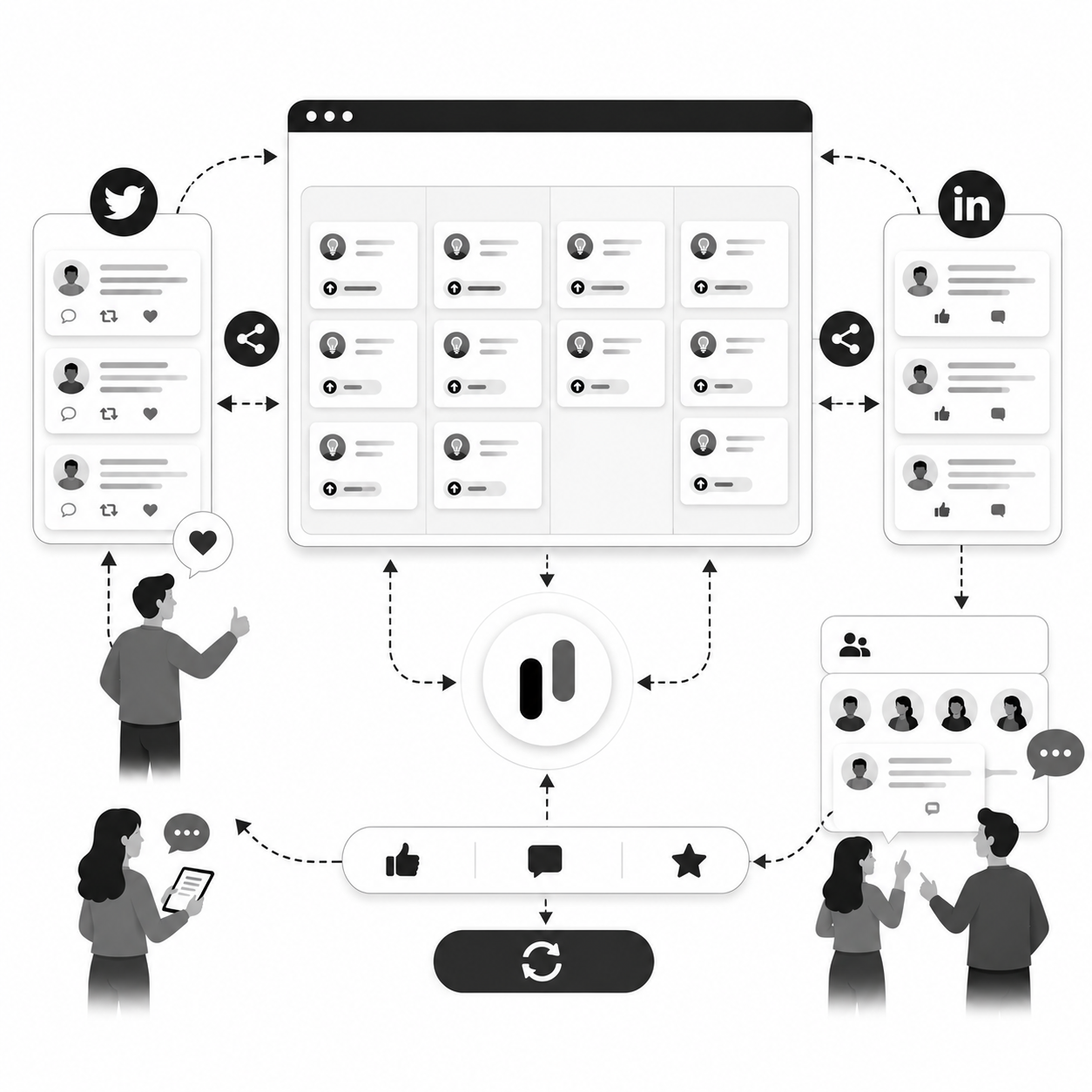
- Enable the Public Roadmap: Share your MonkFeed board URL on Twitter, LinkedIn, or Indie Hackers.
- Post a "Proposed" Feature: Instead of asking "What do you want?", post a specific idea: "We are thinking of adding X. If you upvote this, we ship it next week."
Watch the Votes
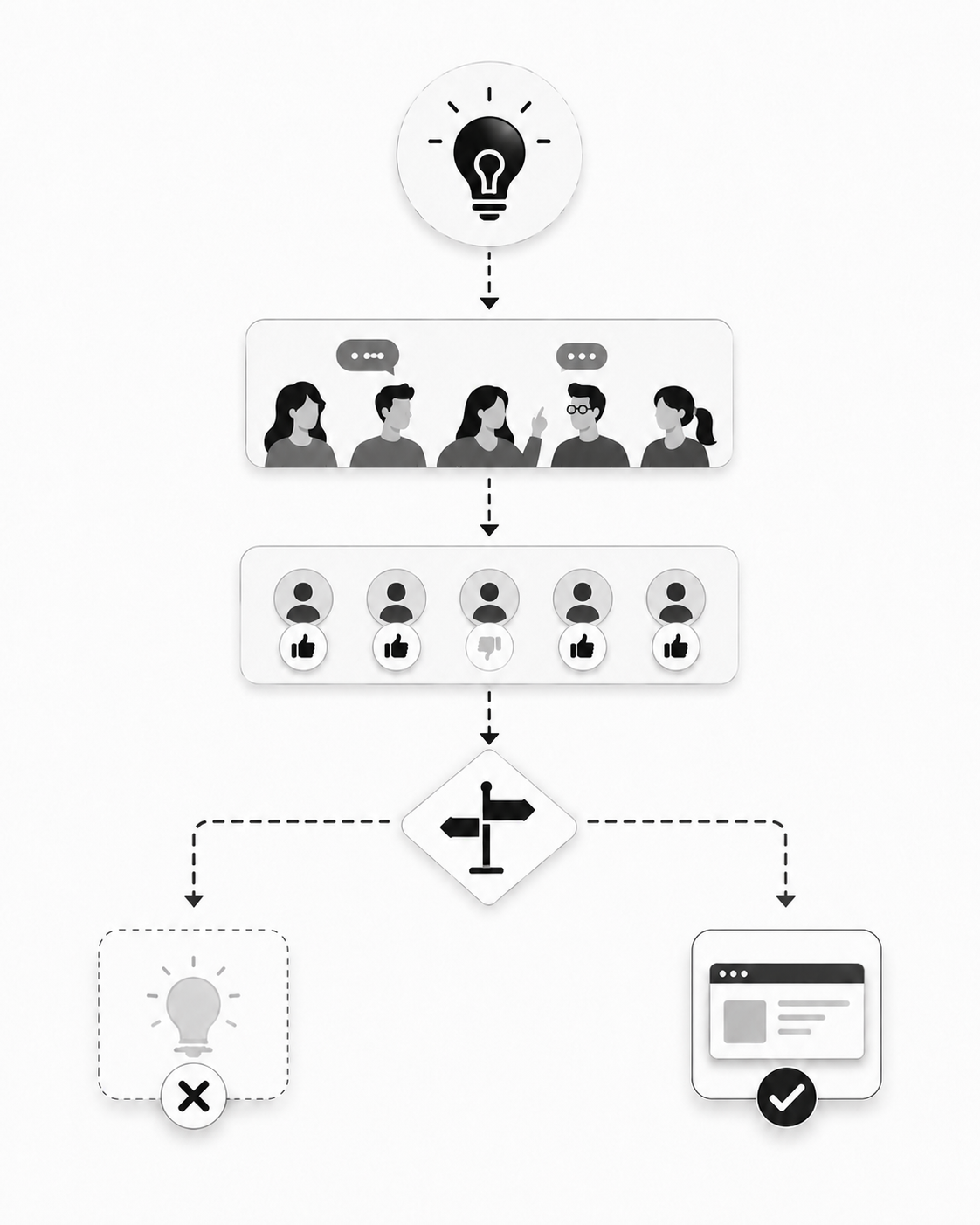
- 50+ votes in 24 hours? Ship it. You have validation.
- 0 votes in 48 hours? Pivot. You saved yourself 2 weeks of coding.
Turn Your Audience Into a Focus Group
This approach turns your entire audience into a focus group. You are not selling a dream; you are selling a solution to a problem they just voted for.

Step 4: Close the Loop (The Growth Engine)
The most dangerous mistake a solo founder can make is collecting feedback and never acting on it. This kills trust.
The "Notification" Automation:
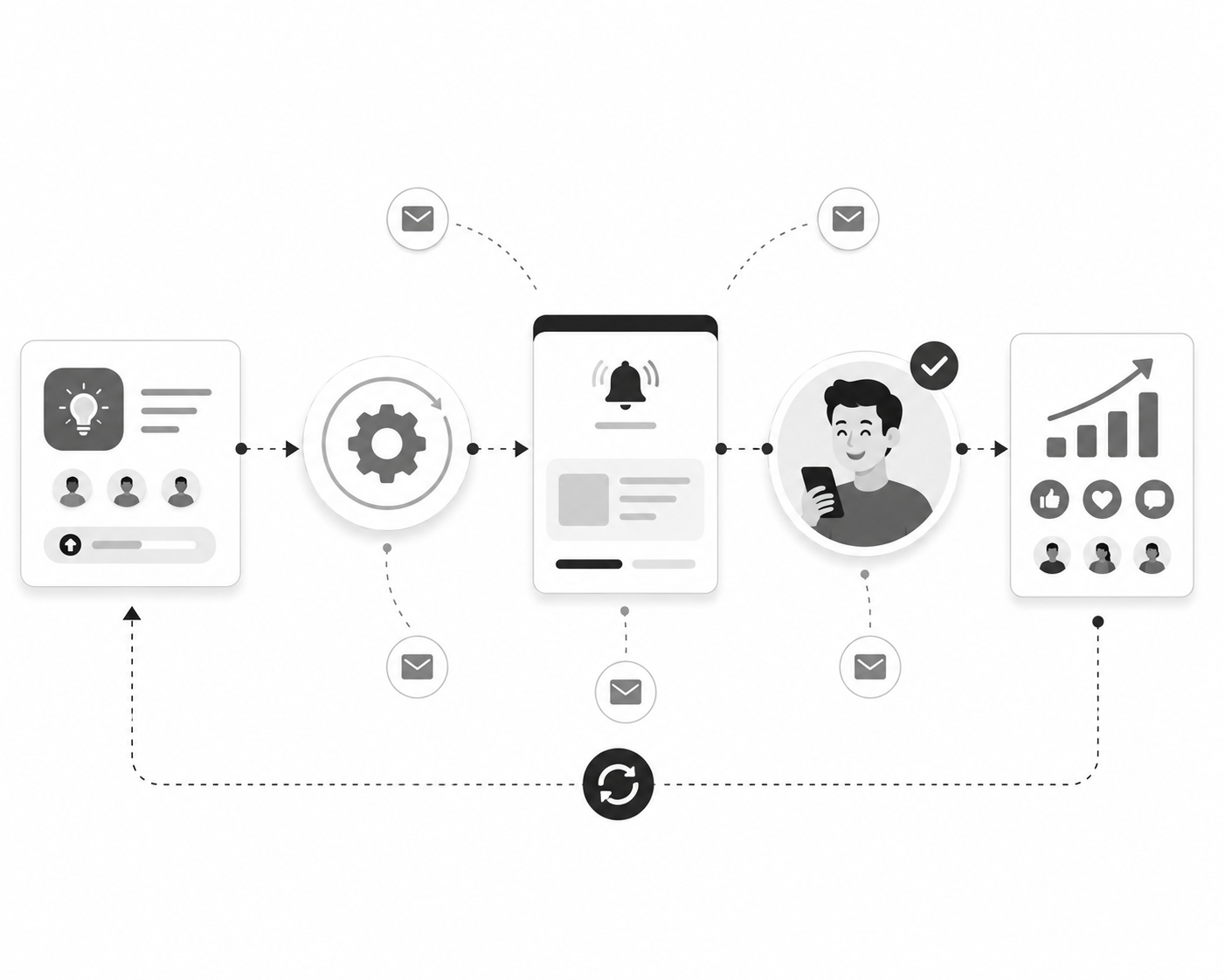
MonkFeed automatically emails users when the status of their feedback changes.
- Status: Proposed → In Progress: The user gets a notification: "Hey! You upvoted X. We're building it now."
- Status: In Progress → Live: The user gets a notification: "It's live! Thanks for the vote."
Why This Matters
- Retention: Users feel heard and are less likely to churn.
- Advocacy: Users who see their ideas become reality become your biggest cheerleaders on social media.
- Efficiency: You don't have to manually email updates. The system does it for you.

The 30-Day Solo Founder Challenge
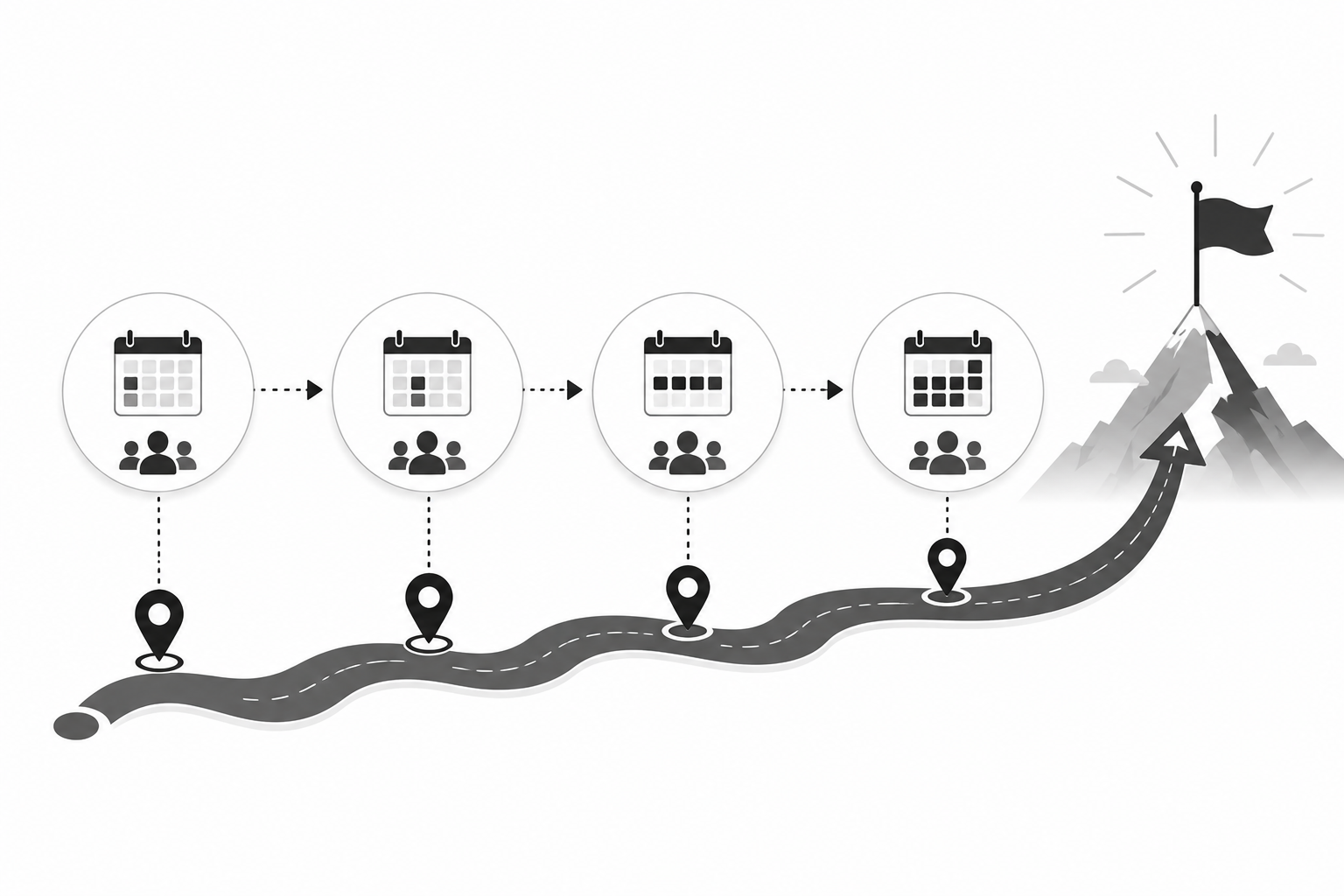
Ready to cut the noise and start building what matters? Here is your 30-day plan:
- Week 1: Install MonkFeed on your product. Share your public roadmap link in your newsletter and social channels.
- Week 2: Post 3 "Proposed" ideas based on your current hunches. Ask your audience to vote.
- Week 3: Build the top-voted idea. No scope creep. Just the core value.
- Week 4: Launch the feature. Watch the "Status Changed" notifications roll in. Ask for feedback on the new feature immediately.
Stop Guessing. Start Validating.
You don't need a team of researchers or a budget of thousands to build a product users love. You just need a direct line to your users and the discipline to listen to the data.
The MonkFeed Free Tier gives you everything you need to automate your feedback loop, validate your ideas in days, and ship faster than the competition.
Get Started for Free — no credit card required. Build the product your users are waiting for.