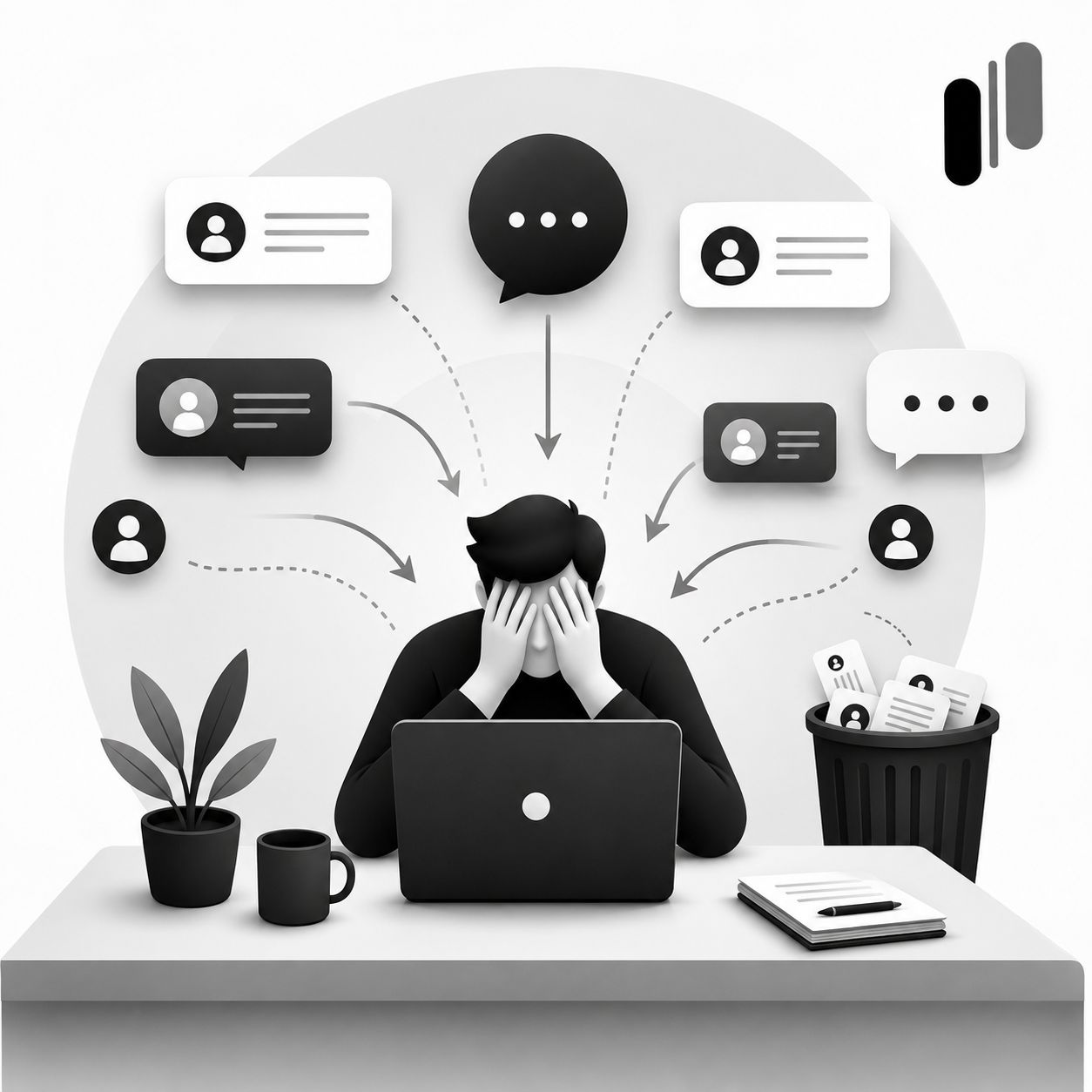
You've invested time, budget, and relationship capital into building a Customer Advisory Board (CAB). You invited your top users, promised them early access, and gathered a room full of "experts."
Yet, when you present your roadmap, the feedback feels repetitive, the strategic insights are missing, and your most vocal members are ghosting your follow-up emails.
Feedback fatigue is real. It happens when the gap between asking for input and acting on it becomes too wide. For mid-market teams, the traditional CAB model often hits a wall: it's manual, exclusionary, and too slow to keep up with product velocity.
Here's why your CAB might be failing — and how embedded feedback loops can scale your strategy without burning out your customers.
1. The Sampling Bias Trap
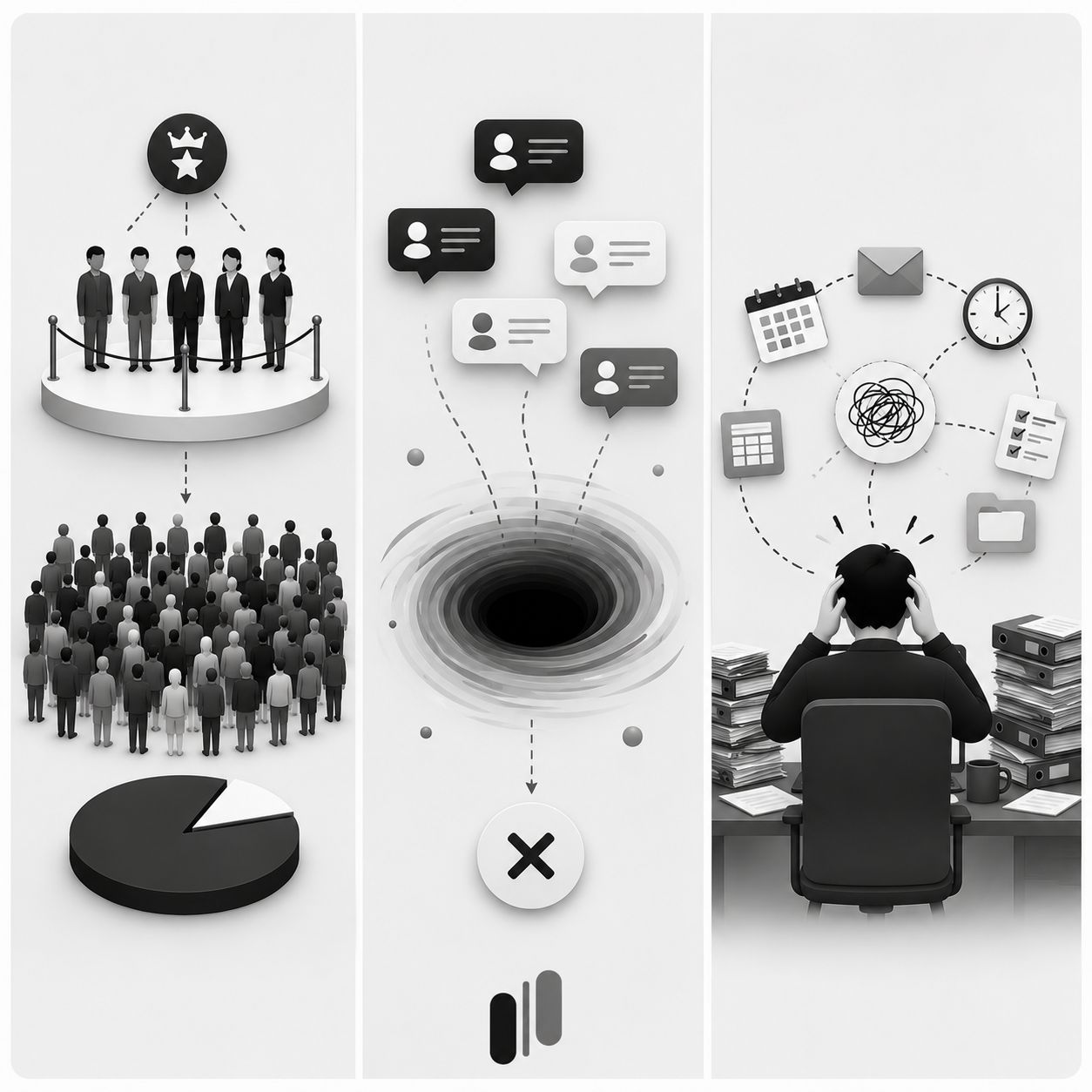
A CAB represents a tiny fraction of your user base — usually the most vocal or the most dissatisfied. You're building for the 1% while ignoring the silent 99%.
The Reality: Your "experts" often ask for features that benefit their specific workflow but alienate the broader market. This leads to roadmap bloat and a product that feels fragmented.
When feedback is unstructured, the loudest voices win. These are power users who have developed workarounds for years. They know exactly what their workflow is missing — but they don't represent the silent majority who churns quietly.
2. The "Black Hole" Effect
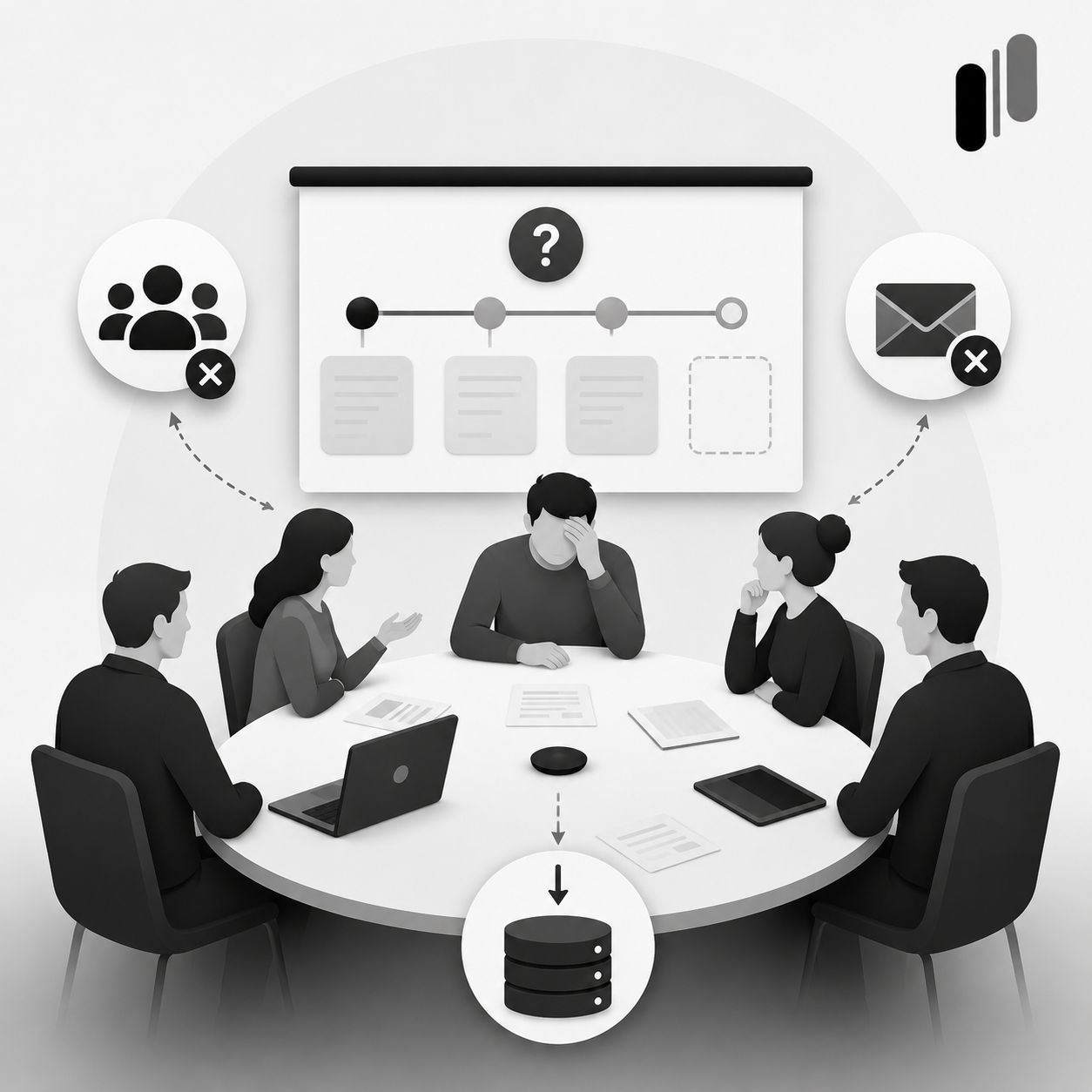
When feedback is collected in quarterly meetings or long-form emails, the time lag between input and action is months. Customers feel ignored because they don't see their suggestions reflected in the product.
The Result: They stop participating. Why share your best ideas if you're just going to put them in a spreadsheet and forget them?
This isn't just a trust problem — it's a compounding data quality problem. The users with the highest-value insights disengage first, leaving you with only the persistent complainers.
3. Operational Overhead
Managing a CAB requires heavy lifting: scheduling calls, sending invites, synthesizing notes, and chasing follow-ups. For mid-market teams, this manual process is a bottleneck that doesn't scale as your user base grows.
The Cost: Your product managers spend more time coordinating the feedback process than actually acting on it. Feedback becomes a chore for both the team and the customers asked to provide it.
Why Mid-Market Teams Are Ditching the CAB Model
The "Enterprise Fatigue" we see in the market isn't just about software costs — it's about process inefficiency.
Large enterprises can afford dedicated CX teams to manage manual feedback loops. Mid-market teams need agility. When your product roadmap moves in two-week sprints, a quarterly feedback meeting is obsolete before the minutes are even typed up.
The modern alternative isn't more meetings — it's always-on visibility: a system that captures, prioritizes, and surfaces feedback continuously, without requiring any manual coordination.
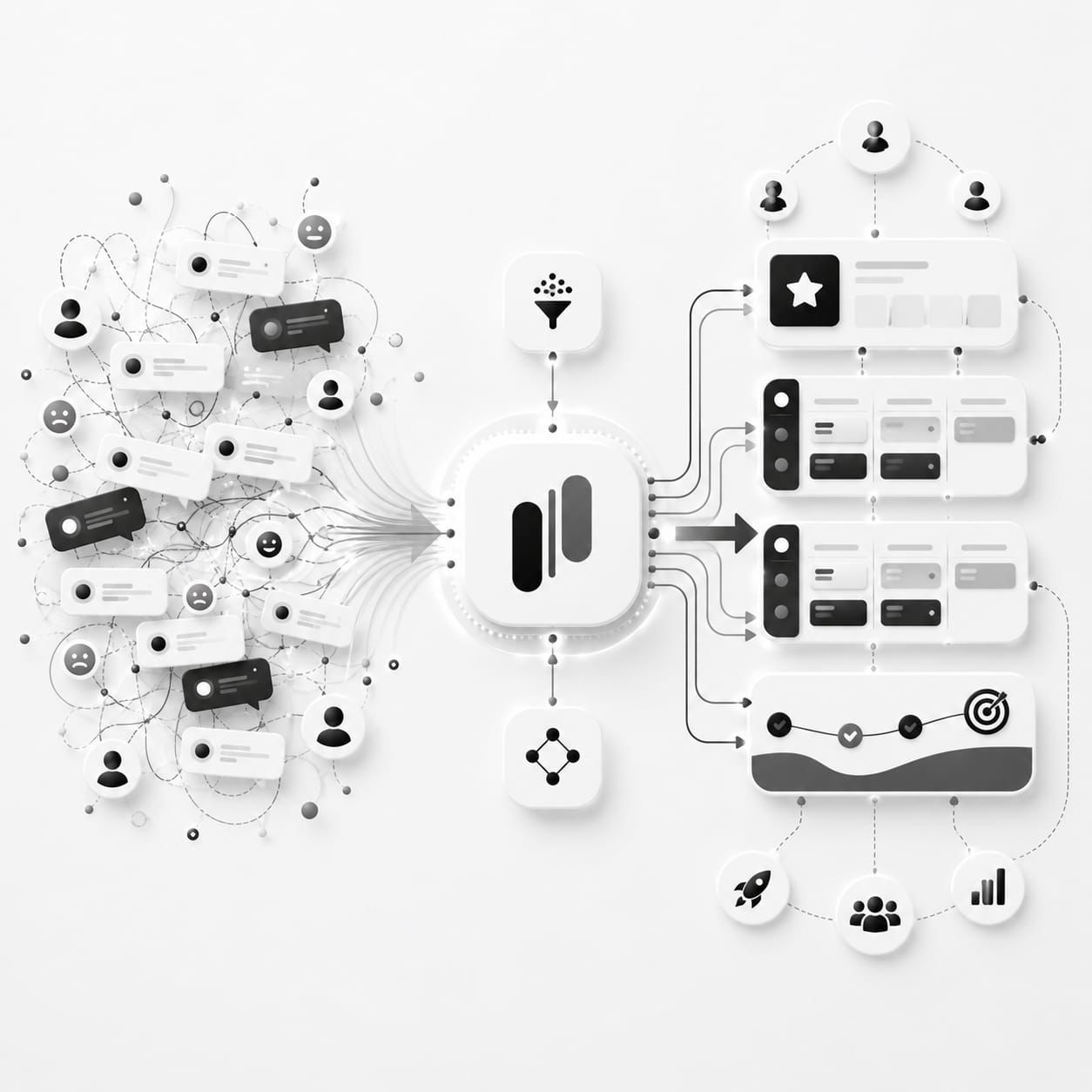
How to Fix It: From Static Boards to Dynamic Loops
To stop feedback fatigue, you need to shift from extractive feedback (pulling data out of users through scheduled touchpoints) to embedded feedback (making feedback a natural part of their daily workflow).
1. Democratize the Feedback Process
Instead of asking 10 VIPs what they want, let thousands of users vote on it.
- Public Roadmaps: Allow users to see what others are requesting.
- Upvoting: The crowd naturally prioritizes what matters most to the majority.
- Context: Capture feedback while users are actively using the product — not weeks later in a survey.
When you move feedback from a "complaint box" to a public voting board, the dynamic changes: a single user shouting for a niche feature gets one vote. If the feature is a real need, 50 other users will upvote it. High-vote items are high-probability needs.

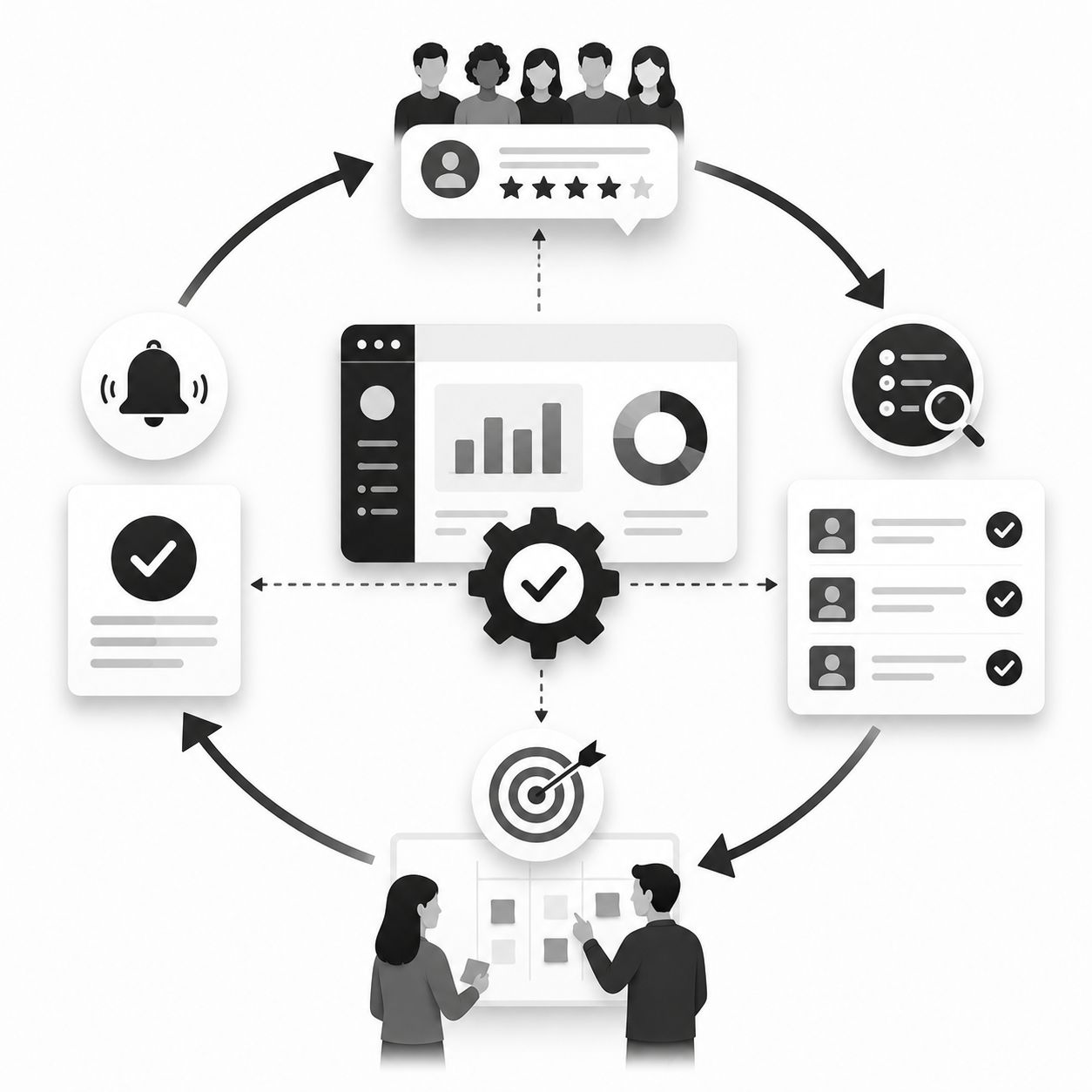
2. Close the Loop Automatically
Fatigue thrives on silence. Users need to know their voice was heard — immediately.
- Status Updates: Automatically notify users when their suggestion moves from Planned to In Progress to Released.
- Transparency: Show them exactly which features are being built based on their input.
This is the "Heard Effect" in action. Users who see their feedback acknowledged and acted on are significantly less likely to churn — and more likely to become vocal advocates.
3. Automate the Workflow
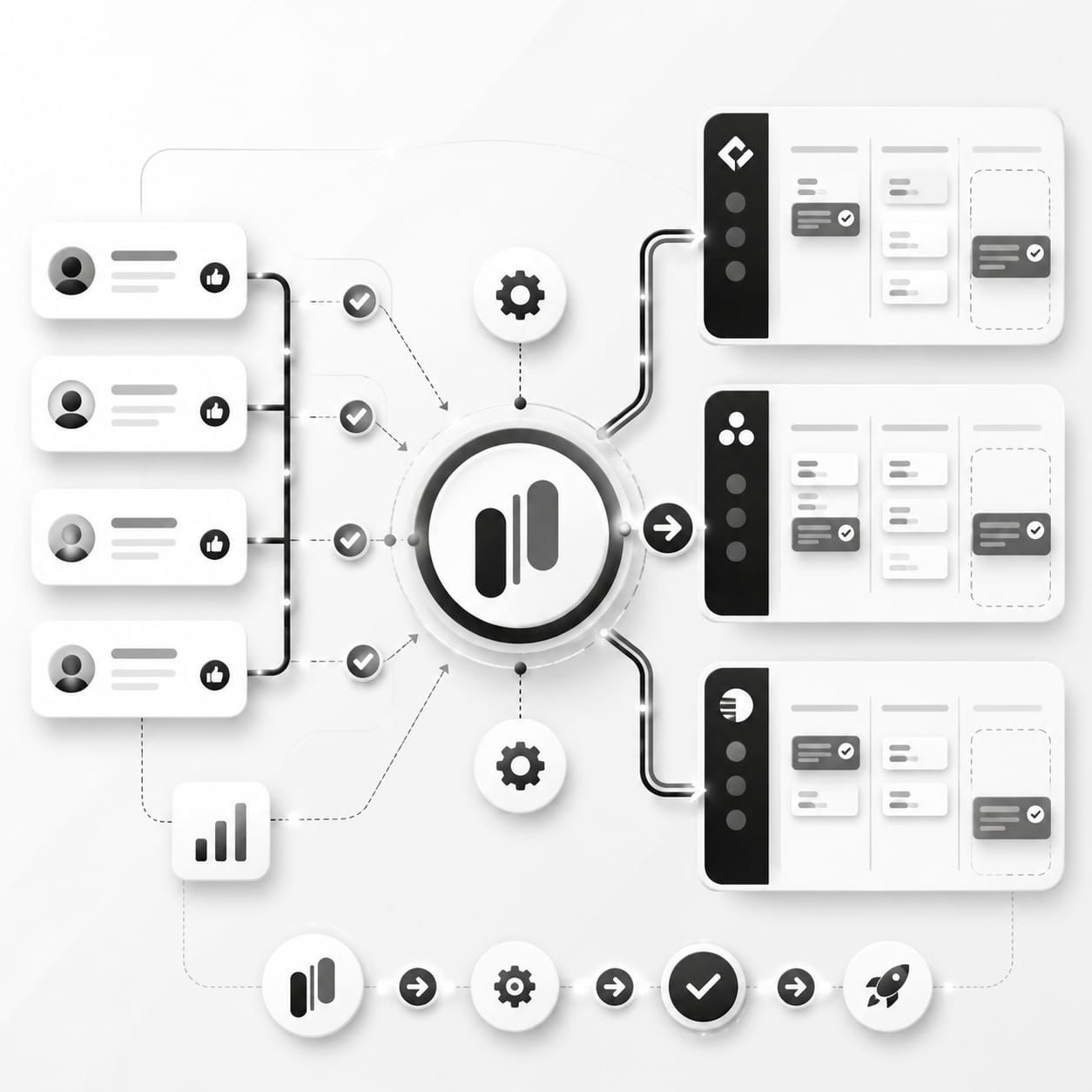
Stop manual data entry. Connect your feedback board directly to your project management tools (Jira, Linear, Asana).
- No-Code Automation: Set rules so that when a feature hits 50 upvotes, it automatically creates a ticket for the engineering team.
- Data-Driven Decisions: Let the numbers guide your roadmap, not the loudest voice in the room.
When you automate the translation layer between feedback and engineering, product managers stop being data janitors and start being strategists.
The MonkFeed Approach: Scalable, Not Static
MonkFeed was built for teams that have outgrown spreadsheets and manual CAB processes. We replace the "feedback fatigue" of traditional methods with real-time, embedded insight.
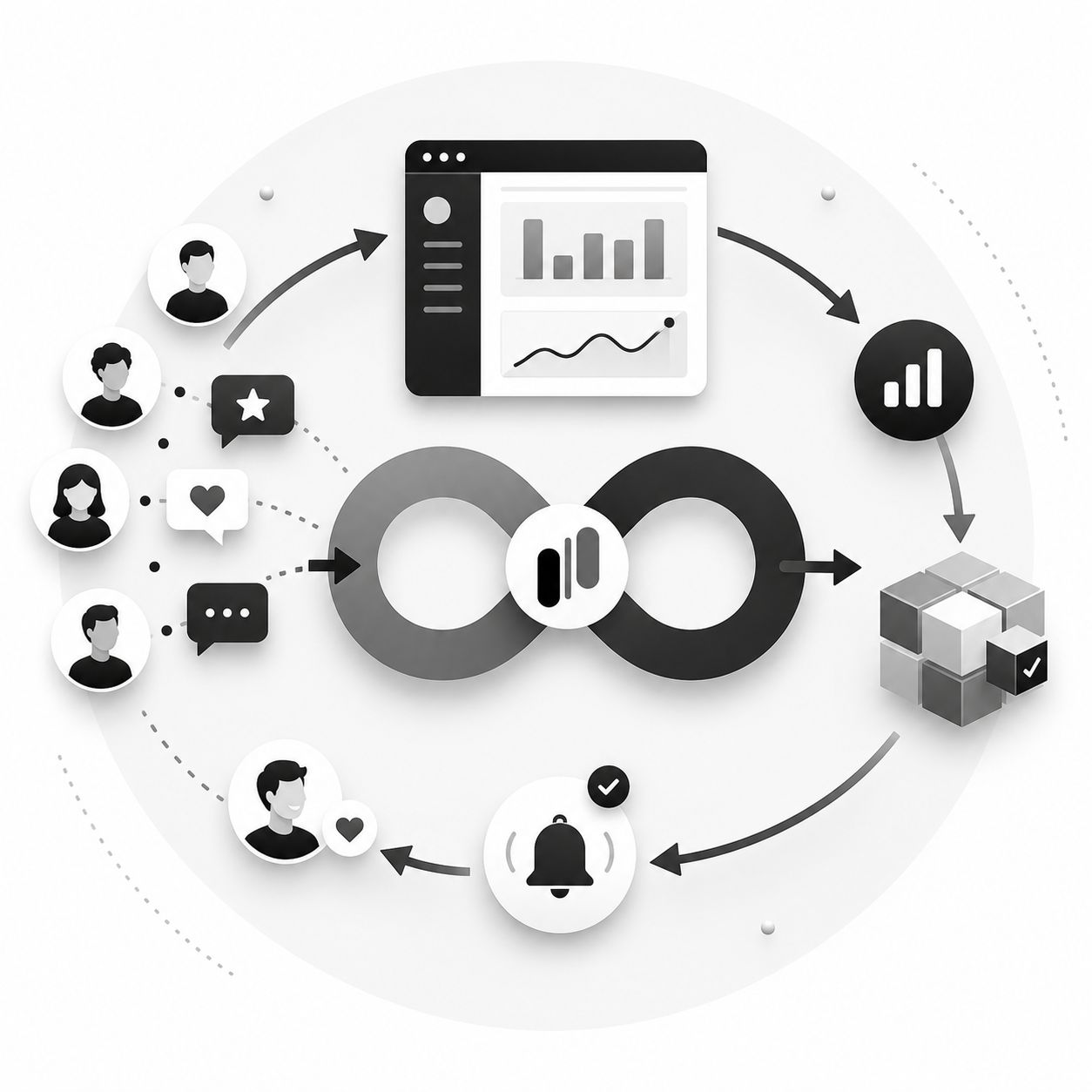
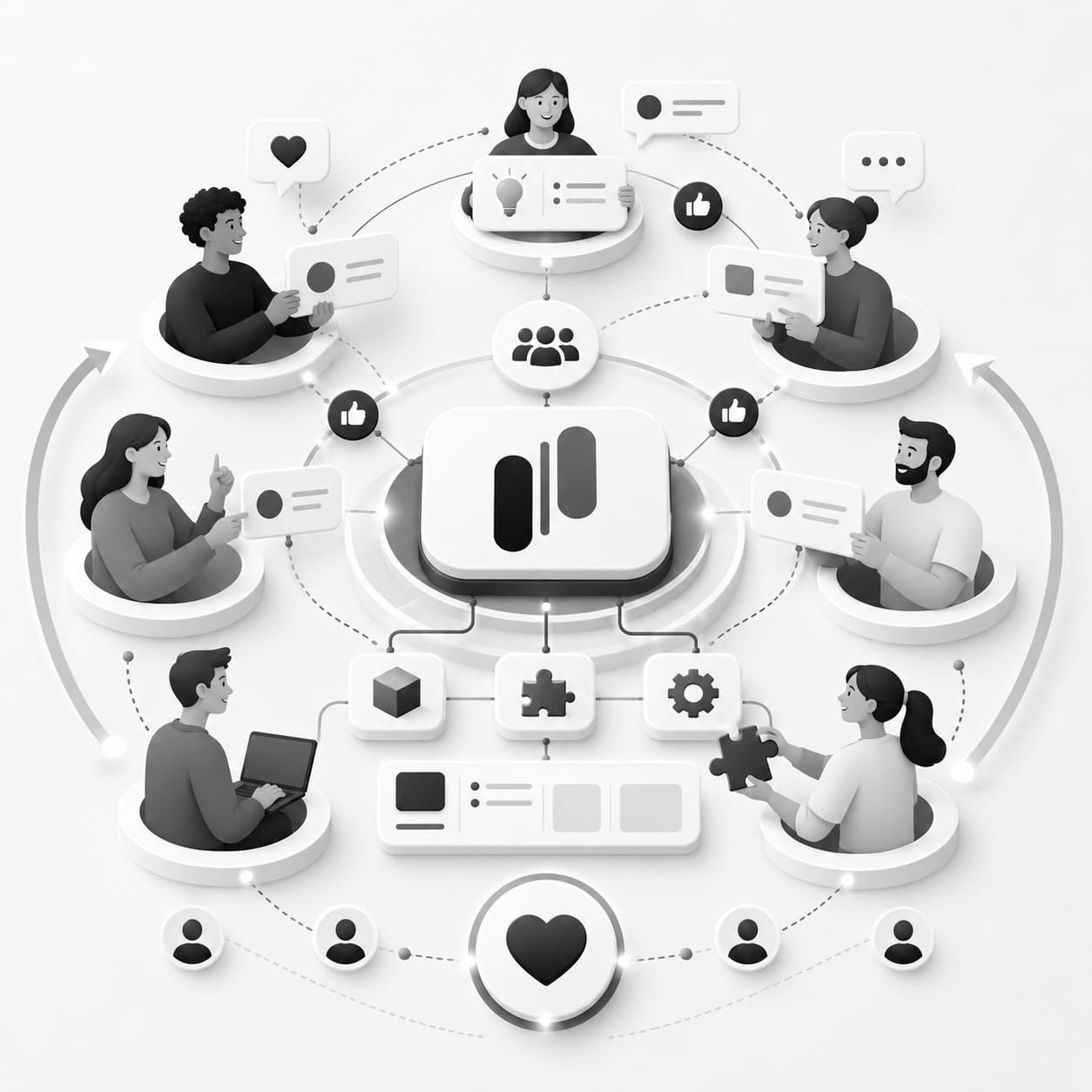
The result is a continuous loop: users provide feedback inside the product, that feedback is analyzed and prioritized, the team builds what matters, and users are automatically notified when their ideas ship — starting the cycle again.
Why MonkFeed Works for Mid-Market Teams
- Zero Friction: A simple widget embedded in your app captures feedback where it matters — during usage.
- Prioritization by the Crowd: Let your users tell you what to build next through upvoting, ensuring you're building for the market, not just a committee.
- Automated Roadmaps: Sync feedback directly to your engineering workflow, eliminating the manual translation layer.
- Customer Retention: By turning passive users into active co-creators, you reduce churn and increase loyalty.
"Users are great at pointing out problems but terrible at designing solutions. Here's how to distinguish a loud feature request from a silent feature request." — MonkFeed Blog
Stop Guessing, Start Listening
Your customers don't need another survey or a quarterly meeting. They need to see that their feedback drives your product.
If your Customer Advisory Board feels like a chore for you and a chore for them, it's time to switch to a system that scales. MonkFeed helps you transform scattered feedback into a clear, actionable roadmap — without the manual overhead.
Ready to fix your feedback loop? Explore MonkFeed and see how embedded feedback can drive your next big product win.
Are you struggling with feedback fatigue? Read our latest guide on Feature Requests vs. Feature Needs to learn how to hear what users aren't saying.