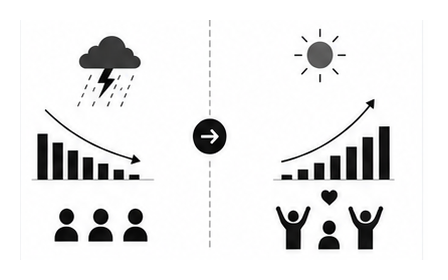
Ignoring customer feedback isn't just a missed opportunity; it's a direct path to revenue erosion, engineering waste, and accelerated churn. While many product teams operate under the assumption that their roadmap is a "build and hope" exercise, the data tells a different story: teams that fail to listen to their users are often building features nobody uses while users leave for competitors who do.
In the current SaaS landscape, the cost of inaction is measurable. It manifests in three critical areas:
- Wasted Engineering Resources: Teams spend months building "nice-to-haves" that generate zero engagement, diverting resources from high-impact solutions.
- Silent Churn: Users don't always leave with a complaint; they often leave quietly because their core problems remain unaddressed.
- Strategic Drift: Without real feedback loops, product direction becomes a guessing game, leading to features that solve non-existent problems.
The "Build and Hope" Trap
The most dangerous mindset in product management is the belief that you can design a successful product in isolation. This approach, often called "build and hope," relies on internal assumptions rather than external validation.
"Most roadmaps look great internally but miss the mark with users."
When you ignore feedback, you risk:
- Feature Bloat: Accumulating features that increase complexity without increasing value.
- Misaligned Priorities: Spending time on low-value items while critical pain points go unresolved.
- Lost Trust: Users feel unheard, leading to a degradation of the relationship between the product and its audience.
The Financial Impact of Disconnection
The cost of ignoring feedback is rarely just about one missed feature. It compounds over time.
1. The Churn Multiplier
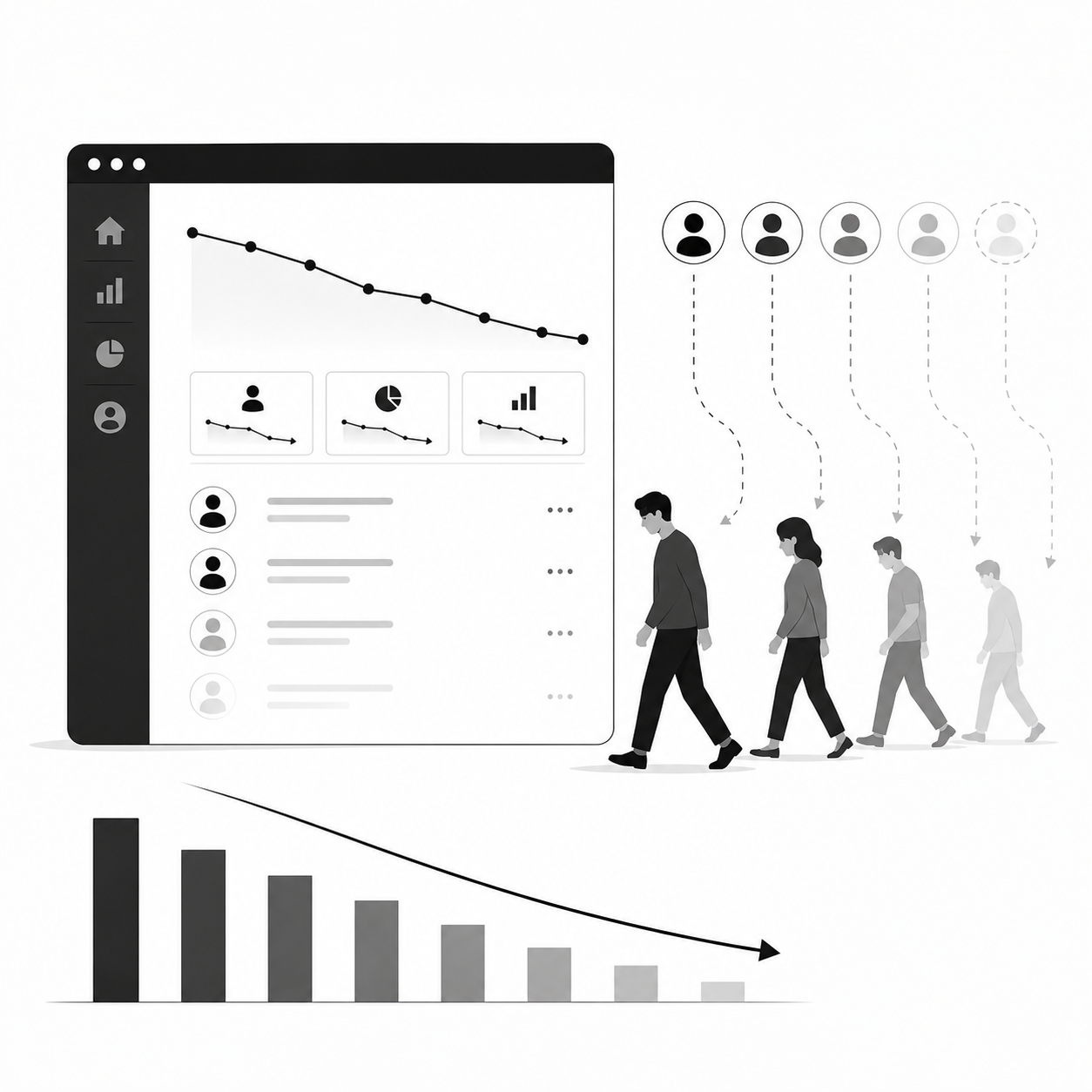
Churn is often the symptom, not the disease. When users feel their feedback is ignored, they disengage.
Data Point: Teams that actively listen to feedback and validate features before building can reduce churn by up to 50% in a single quarter.
The Inverse: Conversely, teams that ignore feedback see churn rates climb as users migrate to platforms that offer a more responsive experience.
2. Engineering Opportunity Cost
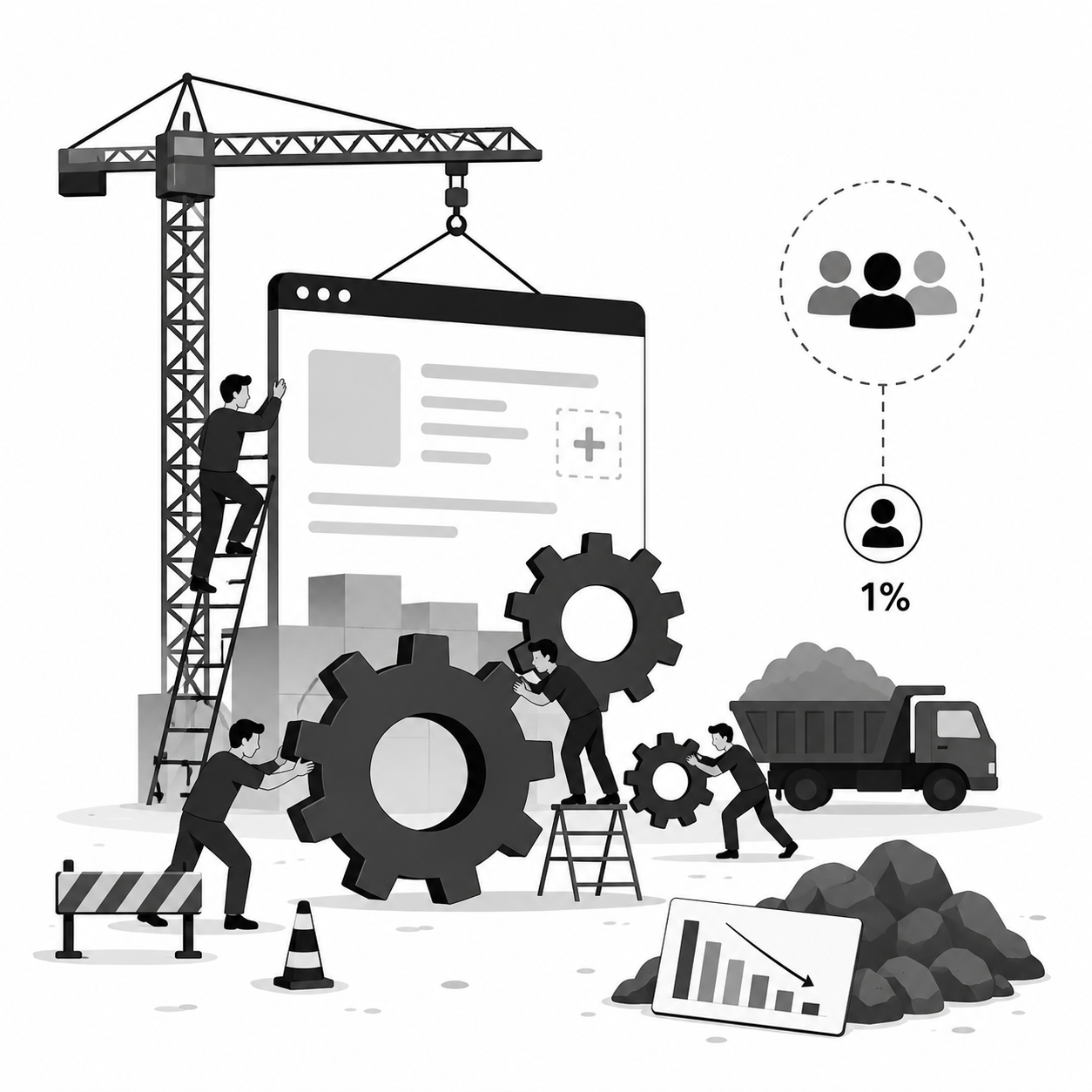
Every hour spent building an unrequested feature is an hour not spent fixing a critical bug or building a high-value feature.
The Math: If a senior engineer costs $100/hour and spends 200 hours building a feature that only 5% of users use, the cost is $20,000 with near-zero ROI.
Validation Saves Money: Using a feedback widget to validate demand before development can save thousands in wasted engineering hours.
3. The "Silent Exit"
Users rarely complain before leaving. They simply stop using the product.
Passive vs. Active: Without an embedded feedback mechanism, you only hear from the vocal minority. The silent majority — your biggest risk — disappears without a trace.
The Cost of Acquisition: It costs 5x to 25x more to acquire a new customer than to retain an existing one. Ignoring feedback makes retention nearly impossible.
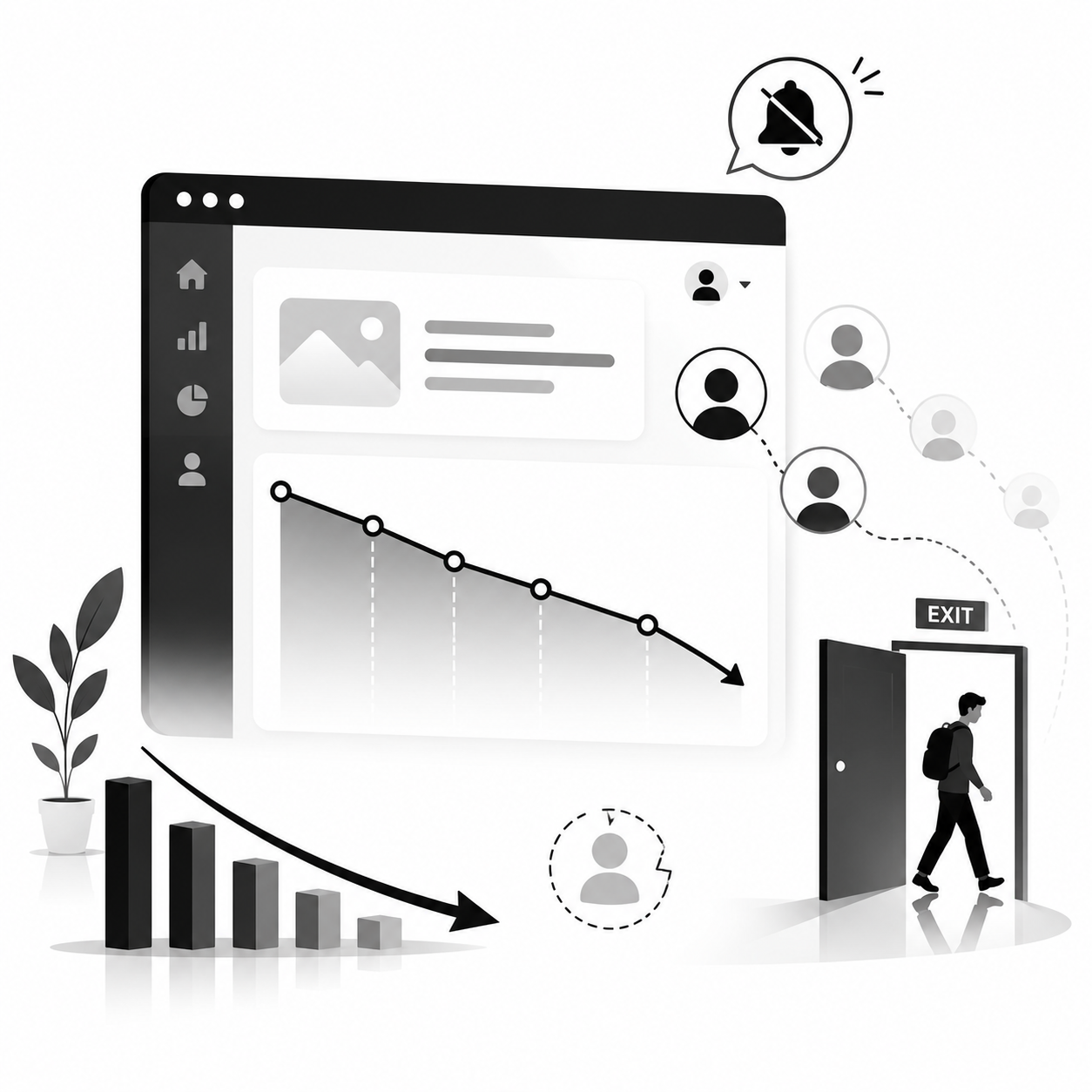
Case Study: From Feature Bloat to Strategic Clarity
Consider the trajectory of a typical B2B SaaS company that skipped the feedback validation phase:
Month 1–3: Team builds "Advanced Reporting" based on internal guesswork. High engineering cost. Low adoption (2%).
Month 4–6: Users complain about missing "Export to CSV" (a simple fix). Frustration grows. Support tickets spike.
Month 7–9: Churn increases by 15%. Competitor with better feedback loop gains market share. Revenue stagnation.
Month 10+: Team pivots to implement a feedback widget. Result: 50% reduction in churn within 3 months.
This scenario highlights the difference between guessing and knowing. The cost of the initial misstep wasn't just the wasted development time; it was the months of lost revenue and damaged reputation.

The ROI of Listening
The inverse of the "cost of ignoring" is the ROI of listening.
- Reduced Churn: By addressing the top 3 pain points identified by users, teams often see immediate stabilization in retention.
- Faster Time-to-Market: Validating ideas upfront prevents building the wrong things, speeding up the delivery of right features.
- Higher Engagement: Features built on actual user needs see higher adoption rates and better user satisfaction scores.
How to Stop the Bleeding
You can reverse the trend of feature bloat and churn by implementing a simple feedback loop:
- Embed Feedback Widgets: Capture insights while users are actively engaged in your product, outperforming email surveys.
- Prioritize by Impact: Use data (voting, frequency) to distinguish between "loud requests" and "silent needs."
- Automate Roadmap Updates: Connect feedback directly to your roadmap without manual spreadsheet management.
- Close the Loop: Tell users when their feedback leads to action. This builds trust and encourages further engagement.
Conclusion: Listening is a Competitive Advantage
In a market where features are easily copied, customer empathy is the only true moat. The cost of ignoring feedback is not just a line item on a budget sheet; it is a strategic liability that can kill a product.
Teams that adopt a "listen and validate" mindset don't just avoid mistakes; they accelerate growth. By transforming passive users into active co-creators, you turn your product into a living entity that evolves exactly as your customers need it to.
The question isn't whether you can afford to ignore feedback. The question is whether you can afford the cost of not listening.